

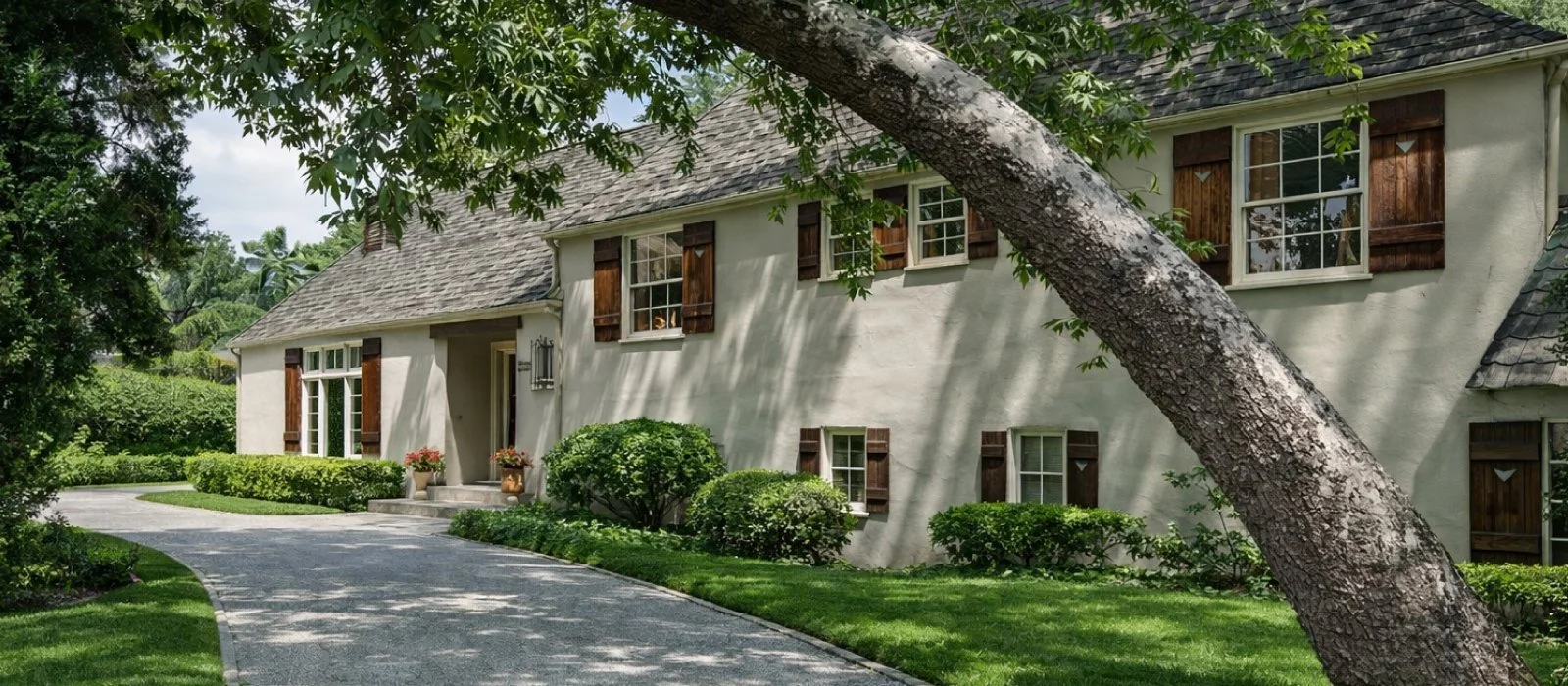
Residential Remodel vs. New Home Design: Which Option Fits Your Goals?
By: Aris Keshishian, AIA | AKDA Architects
Choosing between remodeling your existing home and building a new one is one of the biggest decisions a homeowner can make. Experienced residential architects in Los Angeles help clients evaluate far more than construction costs when making this choice. Your property's condition, neighborhood, long-term plans, lifestyle, budget, and design goals all play an important role in determining which path offers the greatest value. While a remodel allows you to improve a home you already love, building new provides the opportunity to create a residence designed specifically around your needs from the ground up.
An expert residential architect can evaluate your existing property, discuss your vision, and identify opportunities you may not have considered. Understanding the advantages and limitations of each option before beginning the design process allows homeowners to make informed decisions that support both their lifestyle and long-term investment.
Why the Choice Between Remodeling and Building New Is One of the Biggest Decisions You Will Make
Your home is likely one of your largest financial investments. Whether you choose to renovate or start over with a custom home, the decision affects your daily life, future property value, construction timeline, and overall budget.
Every property is unique. Some homes have excellent locations but outdated layouts, while others no longer meet the owner's needs due to age, size, or structural limitations. Evaluating both the home and the property itself is the first step toward selecting the right solution.
What a Residential Remodel Actually Involves and When It Makes the Most Sense
A residential remodel can range from updating individual spaces to transforming nearly every portion of the home. Large residential remodel/additions have become increasingly popular among homeowners who appreciate their neighborhood but need additional living space, improved functionality, or a more contemporary design.
Major remodels may include:
Expanding kitchens and living areas
Adding primary suites
Building second-story additions
Reconfiguring floor plans
Improving indoor-outdoor living
Updating structural systems
Modernizing finishes throughout the home
When the existing structure remains fundamentally sound, remodeling often allows homeowners to preserve the property's character while creating a home that better supports modern living.
What New Home Design Offers and Who It Is Best Suited For
Designing a new home offers the greatest level of flexibility because every space can be planned around your family's lifestyle. Instead of working within the limitations of an existing structure, homeowners begin with a blank canvas.
New construction is often the preferred option when an older home requires extensive structural repairs, cannot accommodate desired additions, or no longer supports the owner's long-term vision. It also allows for improved energy efficiency, modern building systems, optimized floor plans, and greater architectural freedom.
How Budget, Financing, and Overall Cost Compare Between the Two Options
Budget is one of the most significant factors when comparing remodeling and new construction. Although many homeowners assume remodeling always costs less, that is not necessarily true.
Large renovations frequently uncover hidden issues behind walls, outdated utilities, foundation concerns, or structural deficiencies that increase construction costs. New homes eliminate many unknown conditions but involve demolition, site preparation, utility connections, and complete construction from the ground up.
A realistic budget should account for design fees, engineering, permitting, construction, contingency funds, and finish selections regardless of which option you choose.
How Timelines, Disruption, and Day-to-Day Impact Differ Between Each Path
Construction timelines vary depending on project complexity, permitting, and site conditions.
During a major remodel, homeowners may need to relocate temporarily while portions of the home are under construction. Noise, dust, and limited access to living spaces can affect daily routines for several months.
Building a new home often takes longer overall but allows homeowners to continue living in their current residence until construction is substantially complete. This can minimize disruptions while giving the construction team unrestricted access to the site.
When Your Existing Home's Location and Lot Make Remodeling the Smarter Choice
Many homeowners choose remodeling because they value their existing neighborhood. Established communities often provide mature landscaping, desirable schools, convenient access to employment centers, and larger lots that would be difficult or expensive to replace elsewhere.
If the location already meets your family's needs, expanding or reconfiguring the existing home may provide greater value than purchasing another property.
An architect can evaluate whether the lot, setbacks, and existing structure can accommodate your desired improvements before significant design work begins.
Design Freedom, Customization, and the Creative Advantages of Building New
New construction offers complete design freedom from the earliest planning stages. Homeowners can customize room sizes, circulation, ceiling heights, window placement, outdoor living areas, and architectural style without being constrained by existing walls or structural systems.
This flexibility also allows the home to better incorporate sustainable building practices, smart home technology, energy-efficient systems, and future lifestyle needs.
Permits, Zoning, and Regulatory Considerations for Both Options
Whether remodeling or building new, every project must comply with local zoning regulations, building codes, and permitting requirements.
Architects prepare detailed building permit drawings that communicate the technical information required for agency review and construction. Early coordination with local jurisdictions helps identify setbacks, height restrictions, lot coverage limitations, and other requirements that may influence the design before construction begins.
How to Evaluate Your Goals, Lifestyle, and Long-Term Vision to Make the Right Call
There is no universal answer when deciding between remodeling and building new. The right choice depends on your budget, property, timeline, family needs, and future plans.
Working with residential architects in Los Angeles early in the decision-making process allows homeowners to compare both options objectively. A professional evaluation can identify opportunities, estimate potential costs, and determine whether investing in your current home or designing a new residence will provide the greatest long-term value.
FAQs
How do I know if my home should be remodeled or rebuilt?
An architect can evaluate the home's structural condition, layout, lot characteristics, and renovation potential before recommending the most practical solution.
Are large residential remodels becoming more common?
Yes. Many homeowners choose major remodels and additions because they want modern living spaces without leaving established neighborhoods.
Does building a new home always cost more?
Not necessarily. Extensive renovations can become costly when hidden structural or utility issues are discovered during construction.
When should I hire an architect?
Ideally, before purchasing property or committing to a remodel. Early planning provides better budgeting, design options, and project coordination.
Why are building permit drawings important?
Building permit drawings are required for permitting and construction. They provide the detailed information needed for agency approval while helping contractors accurately build the project.
Summary
Both remodeling and building a new home offer unique advantages depending on your goals. While remodeling allows homeowners to improve an existing property in a desirable location, new construction provides complete design freedom and long-term flexibility. By working with an experienced residential architect, homeowners can carefully evaluate both options and choose the approach that best supports their lifestyle, investment, and future plans.
Trust the Best Residential Architects in Los Angeles
AKDA Architects is a leading Southern California firm, specializing in comprehensive residential and commercial builds and remodeling. Don’t settle for less than the best. Start a project today. Call (310) 896-8542.