
Our Process
Architecture guided through a structured and organized progression.
Every project begins with understanding how the property will be used, how the space should function, and what architectural direction best aligns with the client’s goals. AKDA Architects approaches each phase with careful planning, technical organization, and direct communication to help projects move forward with greater efficiency, consistency, and long-term vision.
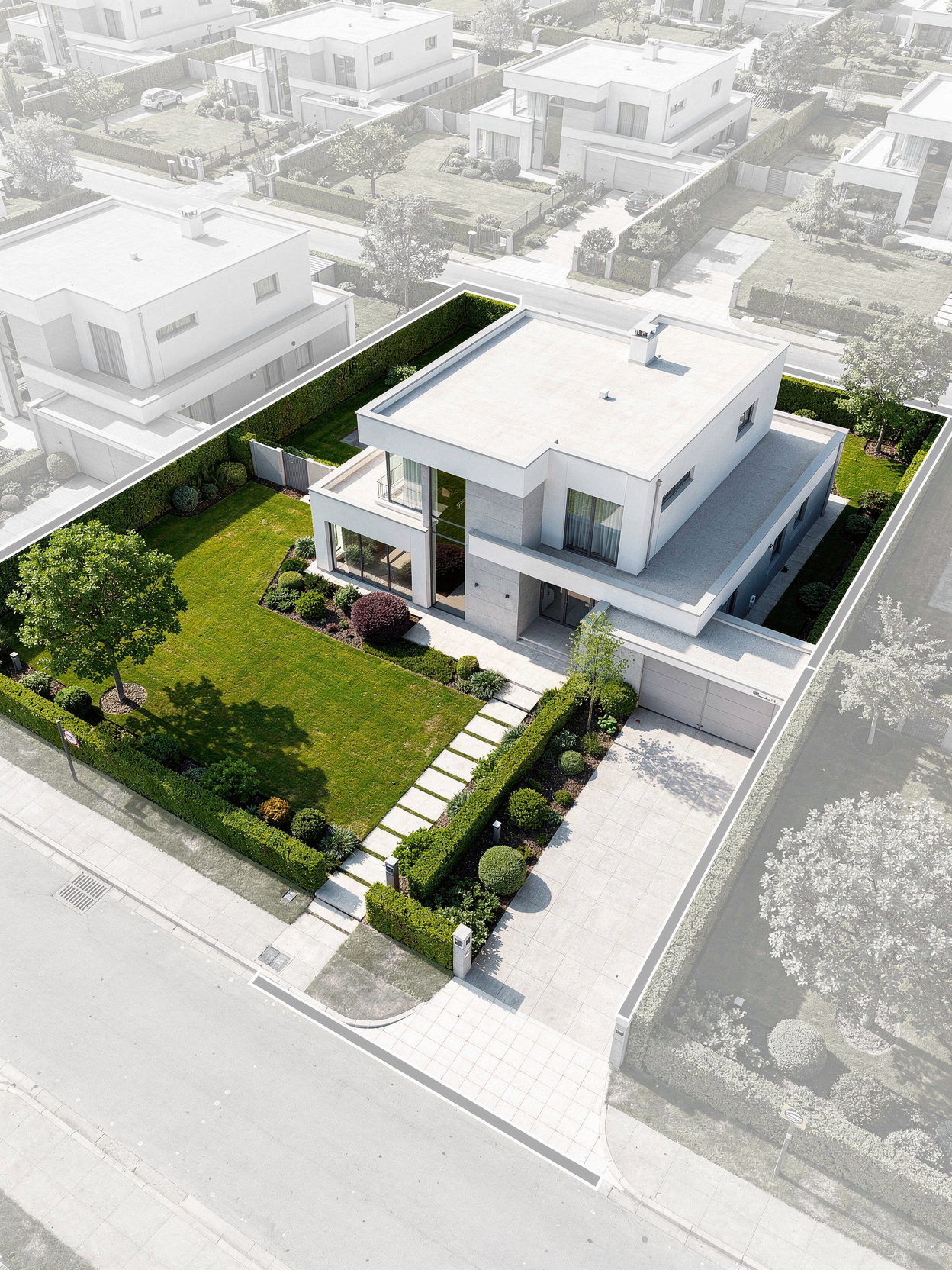
Initial Consultation & Project Discovery
The process begins with learning about the property, project goals, design preferences, budget expectations, timeline considerations, and overall architectural direction. Existing conditions, site limitations, zoning considerations, and potential project constraints are reviewed early to help establish a realistic foundation before design work advances.
Depending on the project type, this phase may include reviewing existing plans, property photos, surveys, inspiration references, city requirements, or consultant input already obtained by the client.
Feasibility Review & Planning Analysis
Before major design development begins, AKDA evaluates the property and project scope to better understand circulation, access, spatial opportunities, development limitations, setbacks, permitting requirements, and overall feasibility.
Early planning analysis helps identify potential challenges while creating a stronger understanding of how the project can move forward through design, permitting, and construction.
Concept Development & Architectural Direction
Once the project parameters are established, AKDA begins developing the architectural direction of the project. This phase focuses on layout organization, circulation, scale relationships, functionality, spatial flow, natural light considerations, and overall architectural cohesion.
Depending on the scope, concept development may include:
• Preliminary Layout Studies
• Floor Plan Development
• Exterior Elevation Exploration
• Architectural Massing Review
• Space Planning & Circulation Analysis
• Material & Finish Direction
• Interior Architectural Integration
Design Development
As the architectural direction becomes more refined, AKDA develops the technical and visual details needed to advance the project into formal documentation. This phase helps organize the architectural systems, dimensional relationships, material selections, and overall coordination required before permitting.
Design development may include:
• Detailed Floor Plans
• Elevations & Architectural Details
• Interior Layout Refinement
• Material & Finish Coordination
• Consultant Coordination
• Technical Drawing Development
• Planning & Code Coordination
Construction Documents & Permit Preparation
Once the design direction is finalized, AKDA prepares the architectural drawings and supporting documentation required for permitting and construction coordination. The scope of documentation may vary depending on the property, jurisdiction, consultants involved, and project complexity.
This phase is intended to create a clearer framework for city review, contractor pricing, consultant coordination, and construction execution.
Documentation may include:
• Permit-Ready Architectural Drawings
• Site & Layout Documentation
• Dimensioned Plans & Elevations
• Architectural Details & Notes
• Code & Planning Coordination
• Consultant Integration
• Plan Check Revisions & Responses
Permitting & Agency Coordination
Permitting requirements vary by city, project type, zoning regulations, and consultant requirements. AKDA helps coordinate the permitting phase by preparing documentation, responding to plan check comments, coordinating revisions, and helping maintain project progression through city review.
Because permitting timelines and agency review processes can vary, maintaining organized communication and coordinated documentation is an important part of this phase.
Construction Administration & Ongoing Support
During construction, AKDA can remain involved to help maintain consistency between the approved architectural plans and the built project. Construction-phase support may include consultant communication, contractor coordination, drawing clarification, submittal review, and responses to field questions that arise during construction.
Continued architectural involvement helps maintain project organization while supporting smoother coordination throughout the building phase.
Frequently Asked Questions
-
The initial consultation focuses on understanding the property, project goals, design preferences, budget expectations, timeline considerations, and overall architectural direction. Existing conditions, zoning considerations, and project limitations may also be reviewed early in the process.
-
Feasibility review helps identify zoning restrictions, access limitations, circulation concerns, setbacks, development constraints, and other factors that may affect the project before major design work begins. Early analysis can help create a clearer path forward.
-
Concept development often includes preliminary layouts, circulation planning, floor plan studies, exterior design exploration, spatial organization, and overall architectural direction. This phase helps establish the foundation of the project before technical documentation begins.
-
Design development helps refine the architectural direction while organizing layouts, elevations, material relationships, technical details, and consultant coordination needed to advance the project toward permitting and construction documentation.
-
Yes. AKDA prepares architectural drawings and supporting documentation required for permitting and construction coordination. Documentation requirements may vary depending on the property, project type, consultants involved, and local jurisdiction.
-
Yes. AKDA can assist with plan check responses, permitting coordination, revisions, and communication related to city review requirements throughout the approval process.
-
Yes. Depending on the project scope, AKDA can coordinate with structural engineers, civil engineers, surveyors, energy consultants, and other project professionals throughout planning, documentation, and permitting phases.
-
Construction administration may include drawing clarification, consultant communication, contractor coordination, submittal review, and responses to field questions that arise during construction.
-
Yes. The architectural process may vary depending on whether the project involves a custom home, remodel, addition, ADU, tenant improvement, or strategic site planning scope. Each project is tailored to the property, client goals, and level of service required.
-
Project timelines vary depending on scope, permitting requirements, consultant coordination, city review duration, client decision-making, and construction complexity. AKDA helps establish realistic expectations early in the process.

A Process Designed Around Long-Term Project Success
Every project is approached with careful planning, direct communication, organized documentation, and architectural consistency from early analysis through construction support. The goal is to create a smoother experience while helping clients move forward with greater confidence at every stage of the process.

