

In Glendale, the path to exceptional living starts with the right home renovation architect.
RESIDENTIAL ARCHITECTS IN GLENDALE, CA
For homeowners in Glendale and the surrounding Burbank area, AKDA Architects creates architectural designs centered on the property and how you actually live. We give careful attention to proportion, material selection, and long-term livability throughout the process. Clear communication and thoughtful design guide every project from first sketch to final walkthrough.

The AKDA Residential Architect Firm Approach
Residential projects throughout Glendale move through a structured architectural process, from initial planning to project completion. Each phase is shaped around the property, the applicable zoning and permitting requirements, and your priorities as the homeowner. That process includes:
-
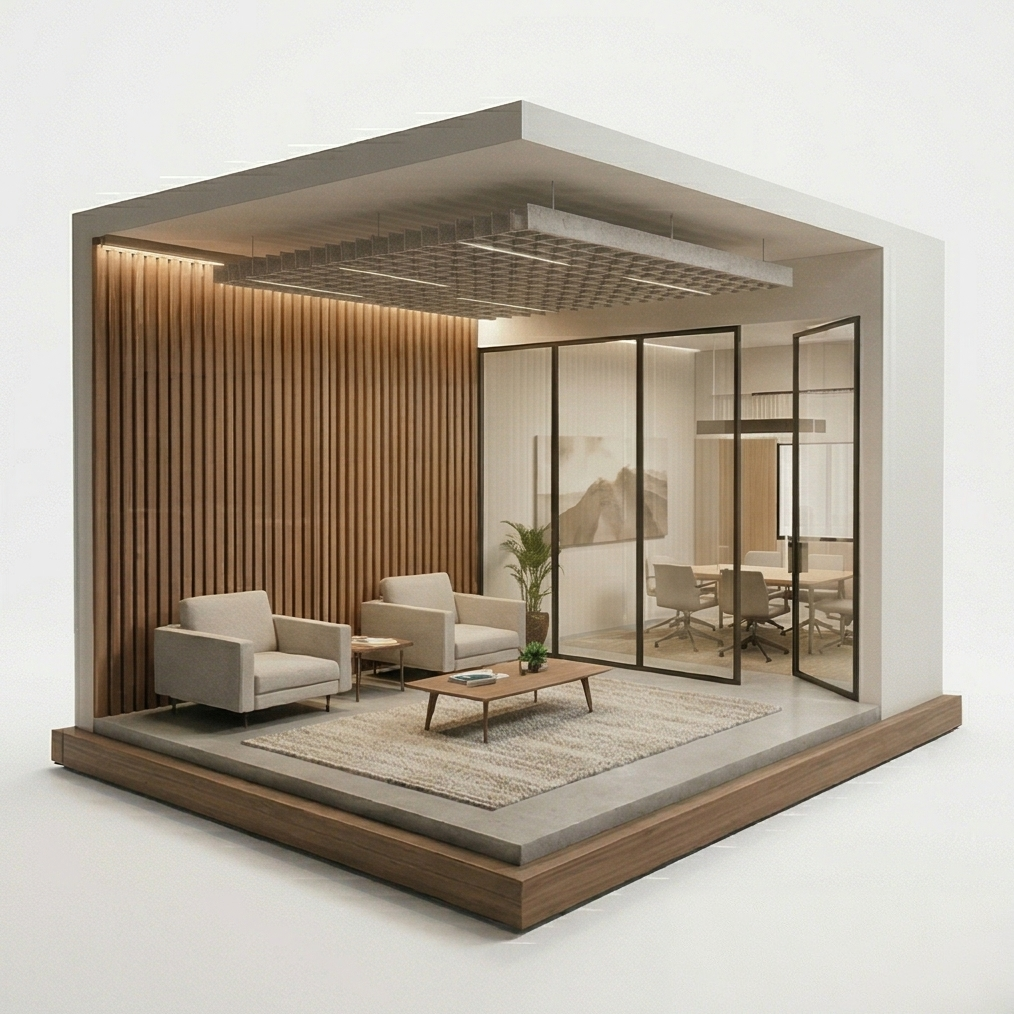
Every project begins with understanding the homeowner's goals, lifestyle, design preferences, and long-term vision for the property. During this stage, we evaluate the site, zoning requirements, building opportunities, budget considerations, and overall architectural direction to establish a strong foundation for the design process.
-
Once the overall vision is established, AKDA develops floor plans, exterior elevations, architectural details, material selections, and the technical construction documents needed to move the project through planning, permitting, and construction with clarity and consistency.
-
AKDA remains actively involved throughout construction by providing drawing clarification, coordinating with consultants and contractors, responding to field questions, and offering ongoing architectural guidance to help ensure the completed home reflects the approved design intent.
Custom Home Architect Services in Glendale
In Glendale, AKDA works with homeowners on everything from ground-up new homes to additions, ADUs, and interior renovations. Each service is scoped to the property and the client's long-term goals. Our expert home renovation architect services include:
• Custom Home Design
• Custom Residential Architect
• Large Home Remodels & Additions
• Interior Design Architect
• Interior Architecture & Space Planning
• Hillside Home Architect
• Accessory Dwelling Unit (ADU) Design
• Architectural Planning & Permitting
• Construction Documents
• Construction Administration
Residential Architect FAQs for Glendale Homeowners
-
The ideal time to hire a residential architect is before purchasing property or beginning any design work. Early involvement allows the architect to evaluate the site, discuss your goals, identify potential challenges, and develop a plan that aligns with your vision and budget.
-
Architectural fees vary depending on the size, scope, and complexity of the project. Custom homes, extensive remodels, hillside properties, and projects requiring additional coordination often involve different levels of design and documentation. A consultation can help determine the appropriate scope and fee structure.
-
Yes. An architect can review zoning regulations, building setbacks, lot constraints, and development potential before you purchase a property. This can help you determine whether the property supports your long-term plans.
-
For larger remodels, additions, or projects involving structural changes, an architect can help create a functional design while preparing the construction documents needed for permitting and construction.
-
Yes. Many residential architects design both the exterior architecture and interior spaces to create a cohesive home where the layout, finishes, materials, and overall aesthetic work together.
-
Project timelines vary depending on the size of the home, design complexity, client decisions, consultant coordination, and local permitting requirements. Each project follows its own schedule based on these factors.
-
Yes. Residential architects can design homes in a variety of architectural styles, including contemporary, modern, transitional, traditional, and custom designs that reflect each homeowner's preferences and the character of the property.
-
Construction administration allows the architect to remain involved during construction by answering contractor questions, reviewing drawings, clarifying design details, and helping maintain consistency between the approved plans and the completed project.
-
Yes. Hillside and irregular properties often require thoughtful planning to address grading, views, access, drainage, and zoning requirements. An experienced architect can develop solutions that make the most of the property's opportunities while addressing its constraints.
-
If available, bring property information, surveys, existing floor plans, inspiration photos, sketches, and a list of your goals. Even if you are still exploring ideas, discussing your vision, lifestyle, and budget provides a strong starting point for the design process.
Must Read Blogs On Residential Architects
-
![]()
Large Residential Remodels What Homeowners Should Know Before Starting
-
![]()
Questions to Ask Before Hiring a Residential Architecture Firm
-
![]()
Why Homeowners Should Hire AKDA Architects for Luxury Residential Projects
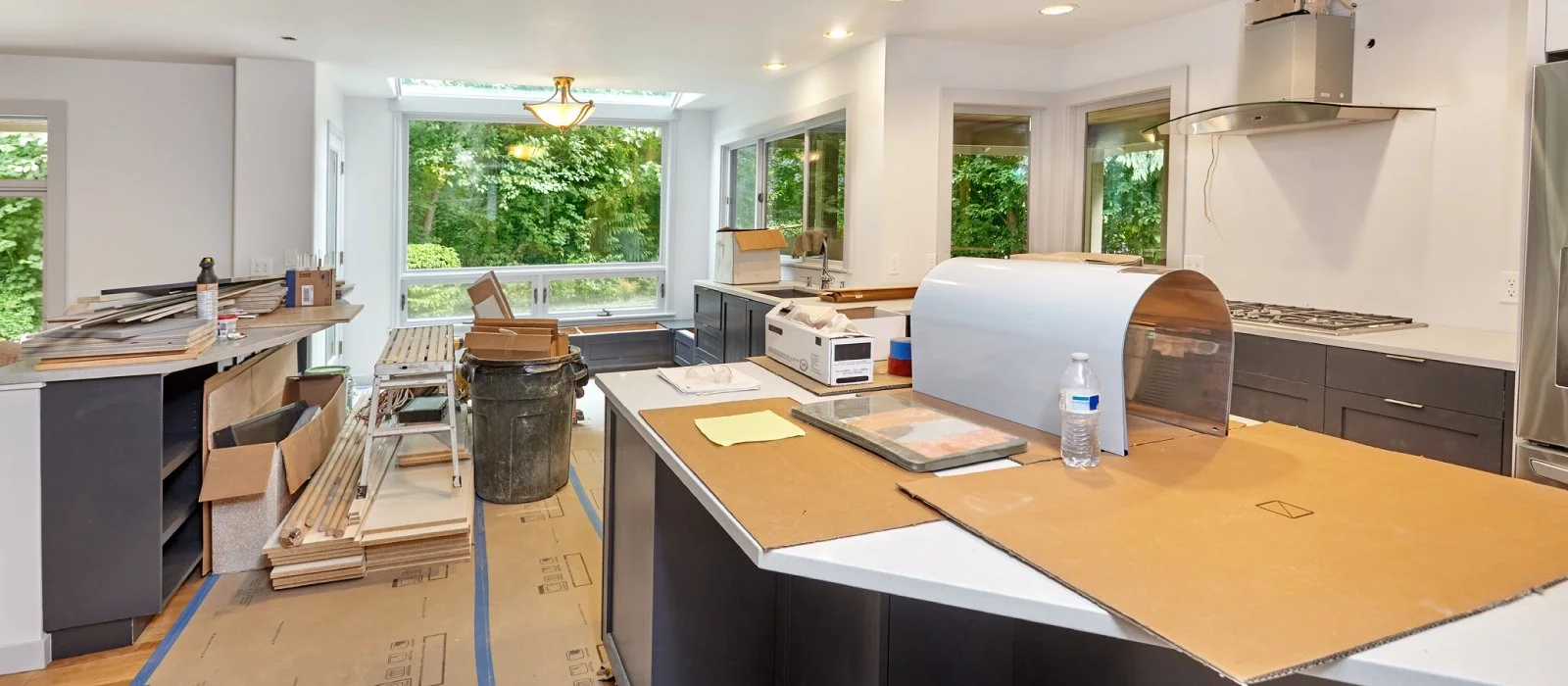

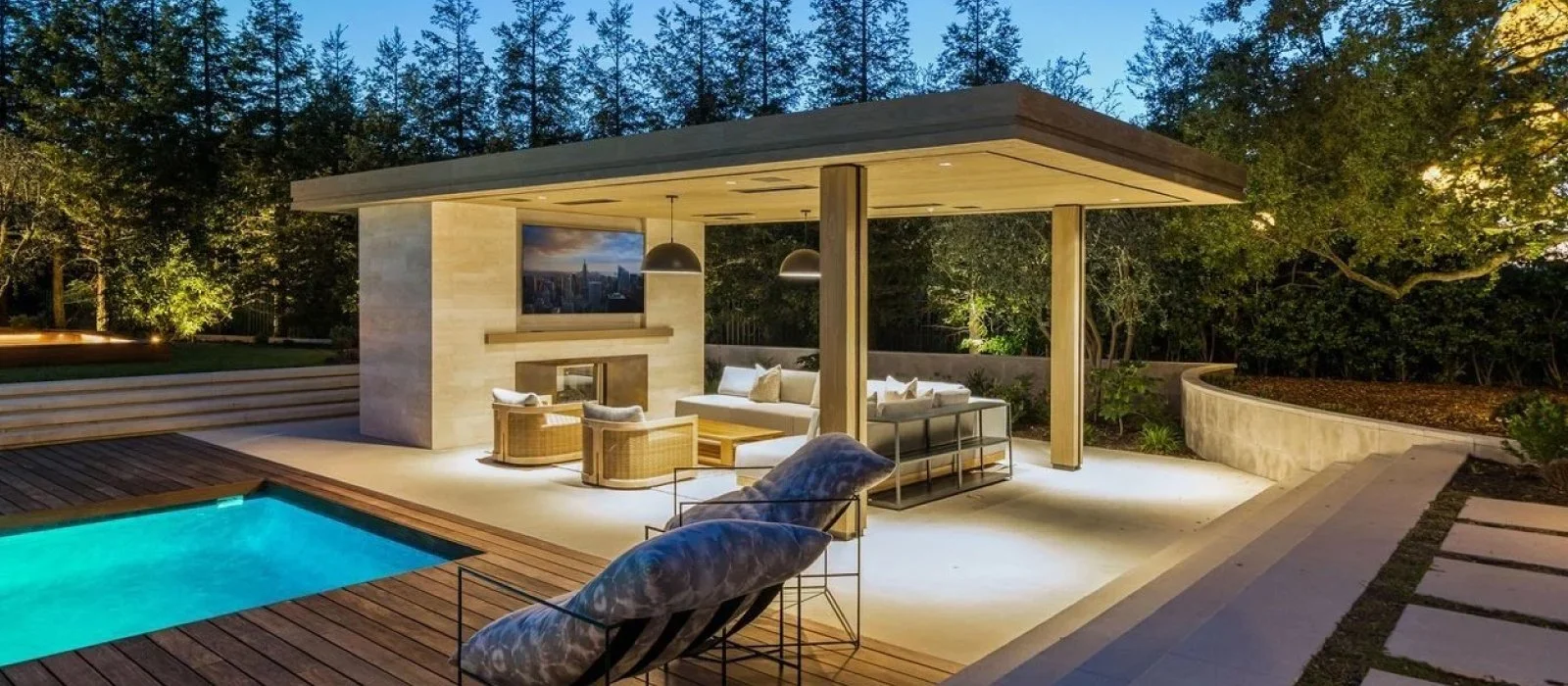
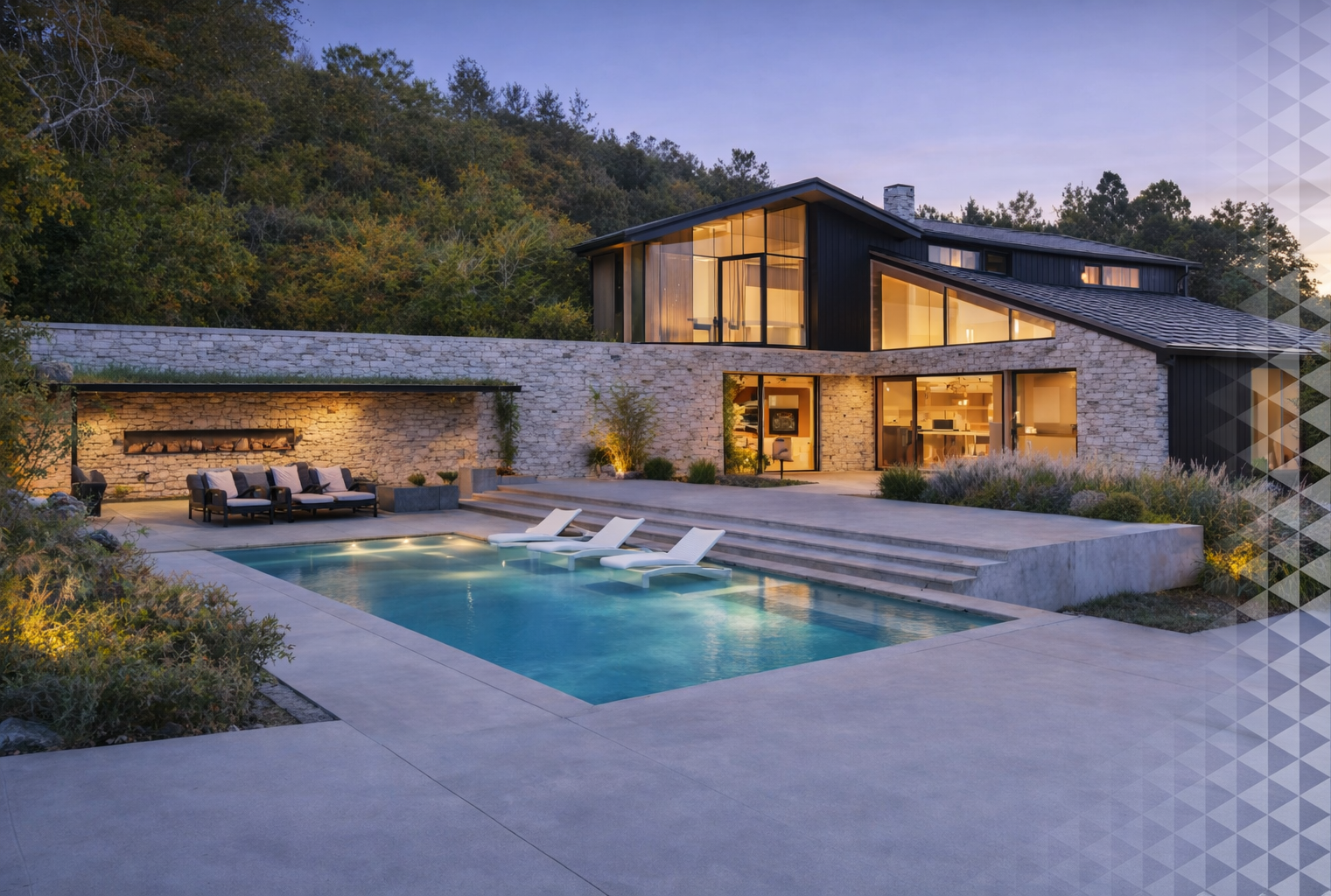
Defined by Contemporary Elegance
Direct involvement, organized coordination, and expert guidance help create a smoother experience from early planning to completion.