

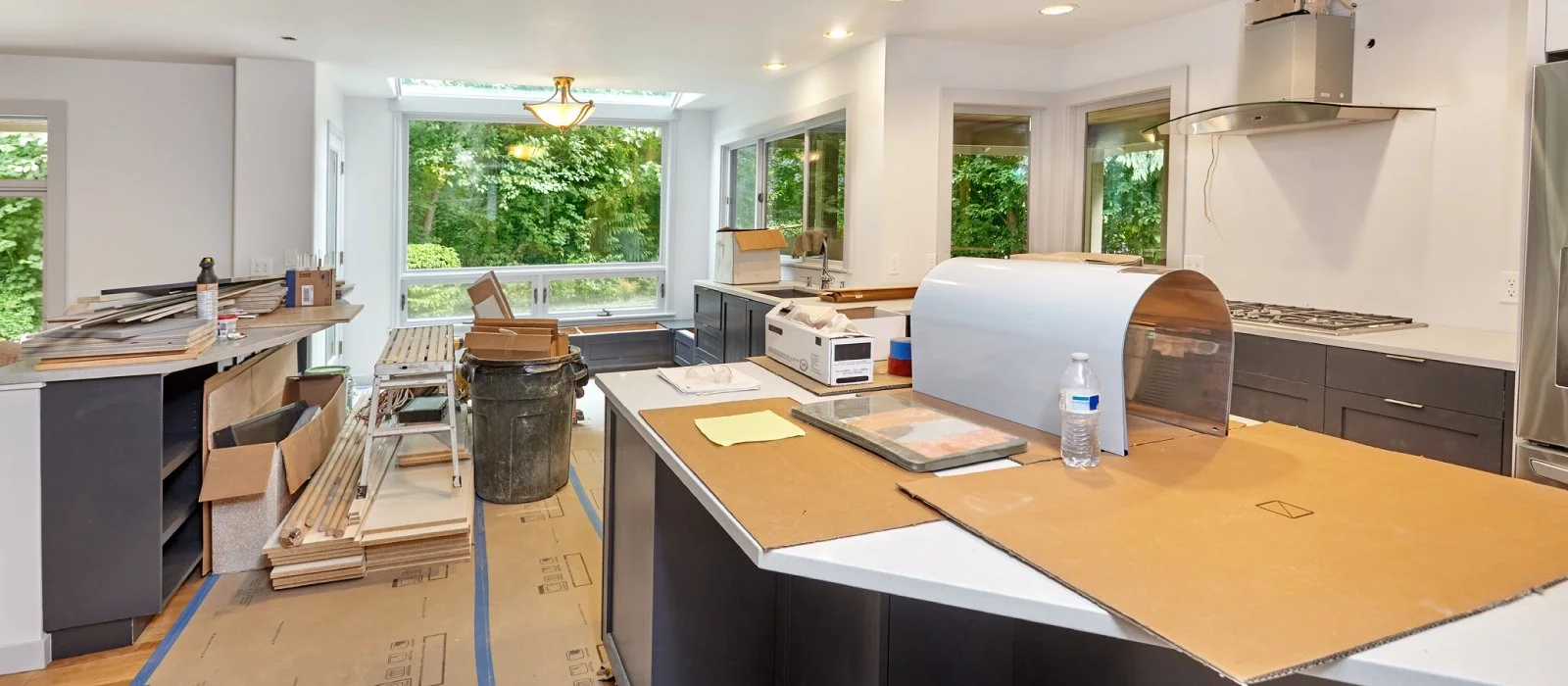
Large Residential Remodels What Homeowners Should Know Before Starting
By: Aris Keshishian, AIA | AKDA Architects
A large residential remodel requires careful planning long before construction begins. Whether expanding an existing home, reconfiguring interior spaces, or undertaking large residential remodels, every decision made during the planning phase affects the outcome. Working with residential architects in Los Angeles allows homeowners to evaluate the property's potential, understand local building requirements, and develop a design strategy that supports both current and future needs. Investing time in proper planning often reduces delays, unexpected costs, and construction changes later in the project.
Choosing the right residential architect is equally important because every property presents unique opportunities and challenges. Existing structural conditions, zoning regulations, neighborhood requirements, and the homeowner's goals all influence the design. An experienced architect develops practical solutions that improve the way a home functions while creating a cohesive architectural design that complements the property.
Define Your Goals Before the Design Process Begins
Successful remodeling projects begin with a clear understanding of what homeowners want to accomplish. Understanding our design process helps establish clear priorities and guidelines from beginning to end.
Important questions include:
Which rooms no longer meet your needs?
How do you want the home to function?
Are future family needs being considered?
Which improvements are most important?
What budget has been established?
Answering these questions early helps establish priorities that guide the design process from beginning to end.
Why Working with a Home Renovation Architect Matters
Large remodels involve much more than updating finishes or changing room layouts.
A home renovation architect helps coordinate:
Architectural Design
Consultant Collaboration
Construction Documents
Permit Coordination
Contractor Communication
Looking at the home as a complete environment instead of individual rooms often produces a more functional and cohesive final result.
Design Development Creates the Roadmap for Construction
Once the overall direction has been established, detailed architectural work begins.
This phase generally includes:
Floor Plans
Exterior Elevations
Building Sections
Material Selections
Architectural Details
Construction Documents
Well-prepared construction documents help contractors build accurately while reducing uncertainty throughout construction.
Budget Planning Goes Beyond Construction Costs
Many homeowners underestimate the total investment required for a major remodel.
A complete project budget should consider:
Architectural Fees
Engineering
Surveying
Permit Costs
Consultant Fees
Material Upgrades
Contingency Funds
Planning for the complete project budget helps reduce financial surprises during construction.
Material Selections Influence Long-Term Value
Selecting finishes involves balancing appearance, durability, and maintenance.
An experienced interior design architect helps homeowners evaluate:
Flooring
Cabinetry
Countertops
Exterior Materials
Interior Finishes
Thoughtful selections contribute to a home that performs well while maintaining its appearance over time.
Planning for Luxury, Hillside, and Future Expansion
Every property has different requirements.
A luxury home architect often coordinates custom detailing, premium materials, and highly personalized design features. A hillside home architect must carefully evaluate grading, drainage, structural engineering, and site access before construction begins.
Homeowners considering future expansion may also benefit from consulting an ADU architect during the planning process, even if accessory dwelling units will be constructed later.
Choosing the Right Residential Architecture Firm
Selecting the right residential architecture firm is one of the most important decisions homeowners make.
When comparing firms, evaluate:
Experience
Communication
Local Code Knowledge
Project Portfolio
Construction Experience
Design Philosophy
Whether searching online for a residential architect near me or meeting with several firms, choosing a team that understands both architecture and construction helps establish a smoother project from beginning to completion.
A residential design architect experienced in residential architectural design can also develop solutions that improve functionality while preserving the character of the home. Many homeowners seeking contemporary renovations choose a modern residential architect or high-end residential architect to help create timeless living environments that balance aesthetics with everyday comfort.
Frequently Asked Questions
When should I hire an architect before starting a remodel?
The best time is before any design work or construction begins. Early planning allows the architect to evaluate the property, identify potential challenges, discuss your goals, and establish a clear direction before major decisions are made.
How long does a large residential remodel typically take?
Every project is different. Timelines depend on design complexity, permitting, consultant coordination, construction scope, contractor scheduling, and material availability.
Can I continue living in my home during construction?
Some remodeling projects allow homeowners to occupy portions of the residence, while extensive renovations involving structural work or major system upgrades often require temporary relocation.
Do I need permits for a major remodel?
Yes. Most projects involving structural changes, additions, plumbing, electrical work, or significant alterations require permits before construction begins.
What is the advantage of hiring an architect instead of working directly with a contractor?
An architect develops the design, prepares construction documents, coordinates consultants, and helps ensure the project meets both functional and aesthetic goals before construction pricing begins.
Can an architect help me stay within budget?
Yes. Careful planning, realistic design decisions, and complete construction documents help reduce costly changes during construction while supporting better budget management.
Should I select materials before design begins?
General preferences are helpful, but many final material selections are made during design development once the architectural direction has been established.
Can a remodel increase my home's value?
A thoughtfully designed remodel often improves functionality, livability, curb appeal, and overall market appeal. The extent of value depends on the project scope and local real estate conditions.
Can my remodel be completed in phases?
Yes. Some homeowners choose phased construction to better manage budgets or accommodate future improvements. Planning for those phases early helps create a more cohesive long-term design.
How do I choose the right architect?
Look for experience with projects similar to yours, strong communication, knowledge of local permitting requirements, thoughtful design solutions, and a collaborative approach that continues throughout construction.
Summary
Planning is the foundation of every successful remodeling project. Working with residential architects in Los Angeles allows homeowners to make informed decisions before construction begins while creating a comprehensive plan that supports long-term success. An experienced residential architect helps coordinate design, permitting, consultant collaboration, and construction planning to create a home that balances functionality, aesthetics, and lasting value. Whether remodeling a traditional residence, luxury property, or hillside home, investing in careful planning leads to better results from concept through completion.
Meet the Best Residential Architect Firm in Los Angeles
AKDA Architects is a leading Southern California firm, specializing in residential and commercial builds and remodeling. Start a project today. Call (310) 896-8542.